

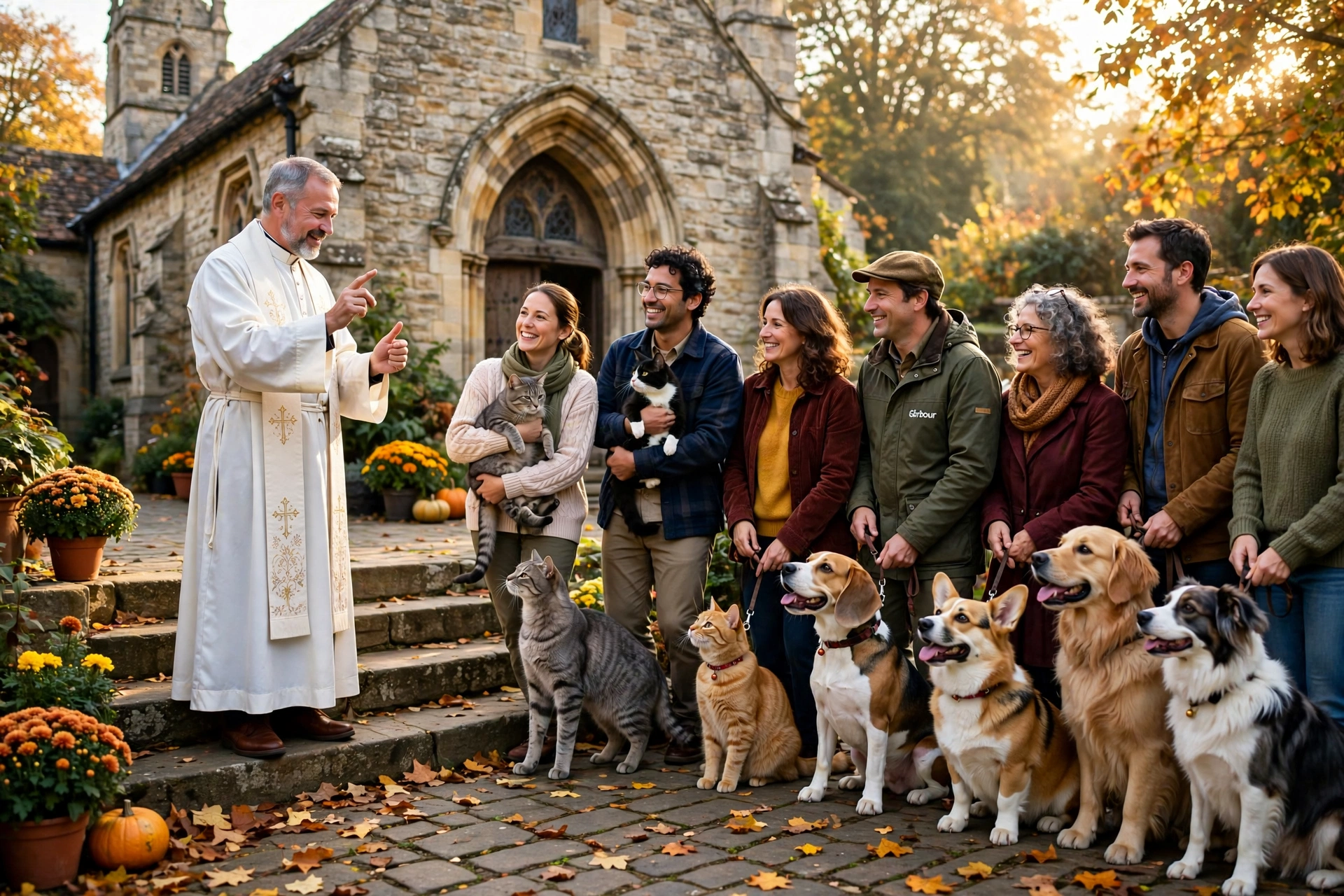
Picture a sunny October morning at your local church. Instead of the usual quiet congregation, the courtyard is full of wagging tails, curious cats in carriers, a parrot whistling from its cage, and even a pony standing patiently by the fence. A priest walks down the line, gently laying hands on each animal and sprinkling holy water, while owners smile and snap photos. This is the Blessing of the Animals — a beloved tradition where pets and animals are brought before God for a special blessing, usually held on or near the Feast of St. Francis of Assisi on October 4.
Whether you are a lifelong churchgoer or simply an animal lover who wants their furry, feathered, or scaly friend to receive a moment of grace, this guide covers everything: what the blessing is, where it comes from, when the Blessing of the Animals takes place in 2025 and 2026, what actually happens at the ceremony, the traditional prayer, and practical tips for bringing your own pet.
What Is the Blessing of the Animals?
The Blessing of the Animals is a Christian religious ceremony in which pets and other animals are individually blessed by a priest, minister, or deacon. The short answer: it is a joyful service — often held outdoors on church grounds — where owners bring their animals to receive prayers of protection, health, and gratitude. It typically includes a brief scripture reading, a blessing prayer spoken over each animal, and sometimes a light sprinkling of holy water.
The ceremony is most associated with the Roman Catholic Church, but today many Episcopal, Lutheran, Methodist, and even interfaith communities hold their own versions. It is open to everyone — you do not need to be a member of the parish to attend with your pet.

The Story Behind It: St. Francis of Assisi
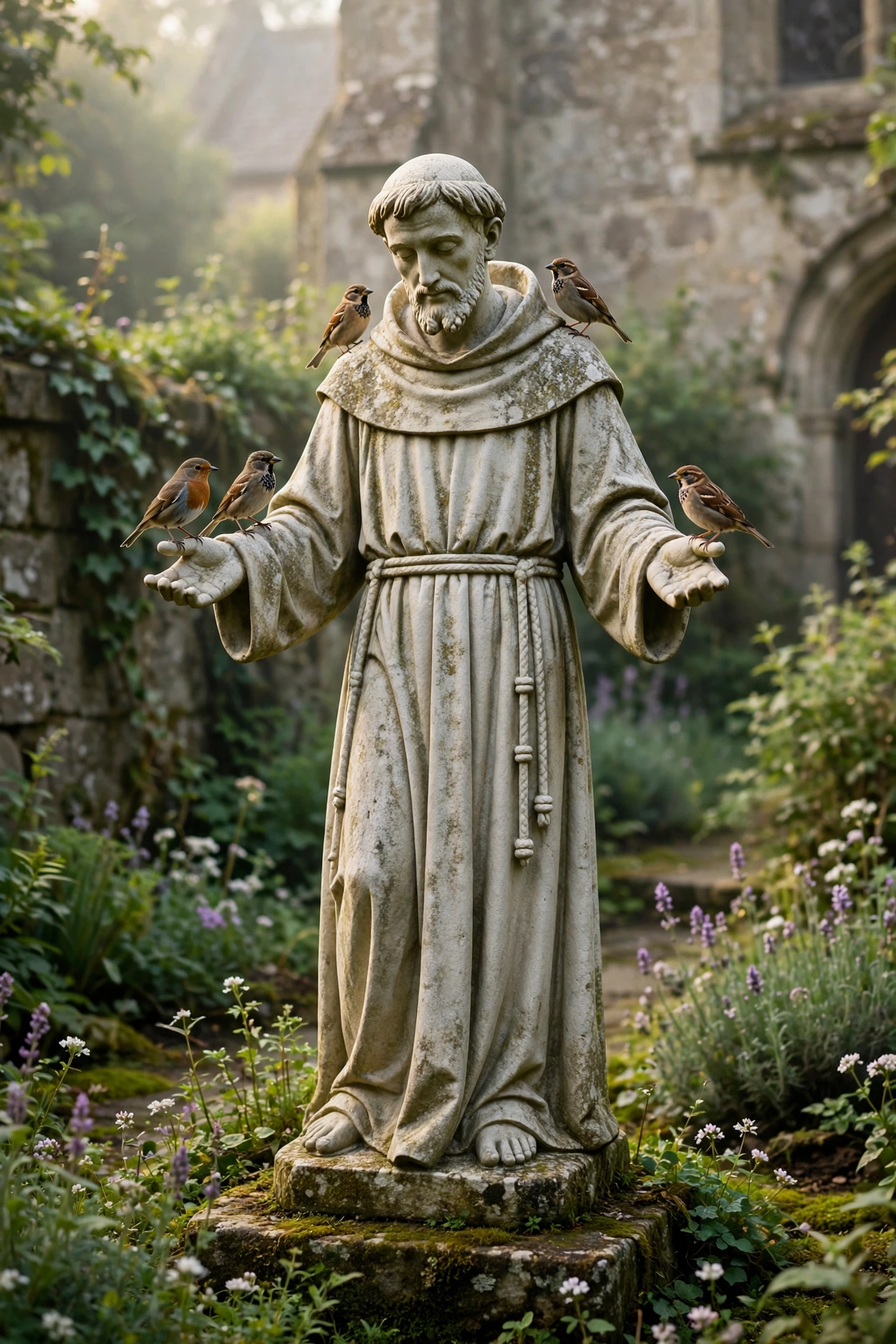
The tradition traces back to St. Francis of Assisi (1181–1226), the Italian friar famous for his love of all creatures. According to legend, Francis once preached to a flock of birds — and they stayed and listened. He called animals his “brothers and sisters” and is said to have tamed a fierce wolf in the town of Gubbio. Because of this deep kinship with creation, he became the patron saint of animals and the environment.
After his death, the Church set his feast day on October 4, and over the centuries, parishes began blessing animals on or around that date in his honor. What started as a Catholic custom has grown into a worldwide celebration of the bond between humans and animals.
When Is the Blessing of the Animals?
The Blessing of the Animals is traditionally held on October 4, the Feast of St. Francis of Assisi. Because the exact date sometimes falls on a weekday, most churches schedule their ceremony on the closest Saturday or Sunday so families can attend.
| Year | Feast of St. Francis (Oct 4) | Typical ceremony weekend |
|---|---|---|
| 2024 | Friday | October 5–6, 2024 |
| 2025 | Saturday | October 4, 2025 |
| 2026 | Sunday | October 4, 2026 |
| 2027 | Monday | October 2–3, 2027 |
So if you searched for the Blessing of the Animals 2025: it was celebrated on Saturday, October 4, 2025 — one of the rare years the feast day itself landed on a weekend, which made it an especially big celebration. Looking ahead, the 2026 Blessing of the Animals falls on Sunday, October 4, 2026. Check your local parish bulletin in late September for the exact time.
What Happens at a Blessing of the Animals Ceremony?
Every church does it a little differently, but most ceremonies follow a warm, simple pattern. Here is what you can typically expect:
- A short outdoor gathering — owners line up with their pets in the church courtyard, garden, or parking lot. The atmosphere is festive, with lots of barking, laughter, and photo-taking.
- Scripture and a brief homily — common readings include Genesis 1 (creation) or Psalm 104 (God’s care for all creatures).
- A blessing prayer — the priest or minister prays over the whole group, giving thanks for the gift of animals.
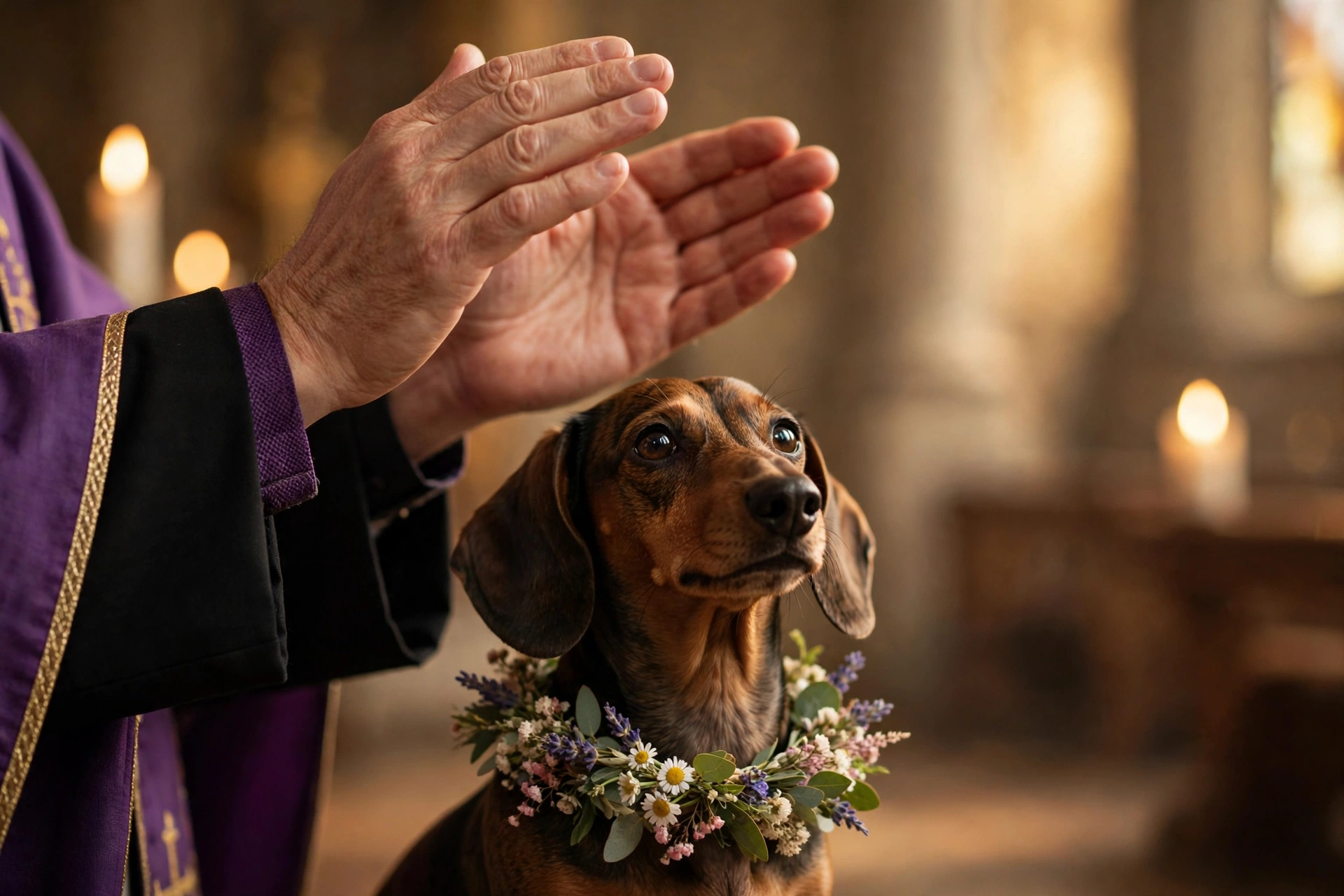
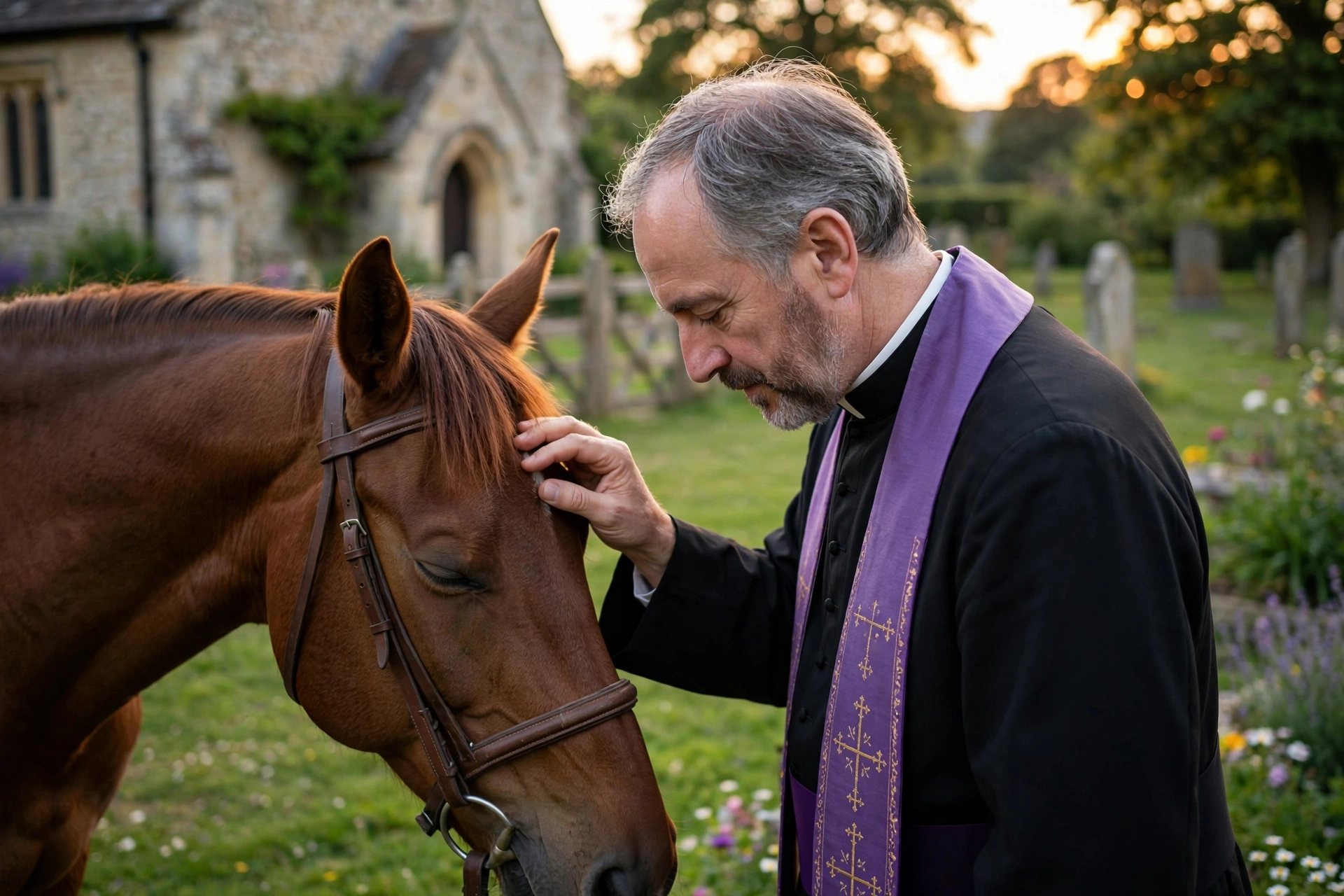
- Individual blessings — the celebrant walks down the line, places a hand on (or above) each animal, and says a short blessing. Many sprinkle a few drops of holy water.
- A keepsake — some parishes hand out a small medal of St. Francis or a printed copy of the blessing prayer to take home.
The whole event usually lasts 20–45 minutes. There is no collection taken specifically for the blessing, though donations to the parish or an animal charity are often welcomed. If you would like to deepen your understanding of what a blessing actually means in faith, our guide on what a blessing is explains the biblical roots of the practice.
Which Animals Can Be Blessed?
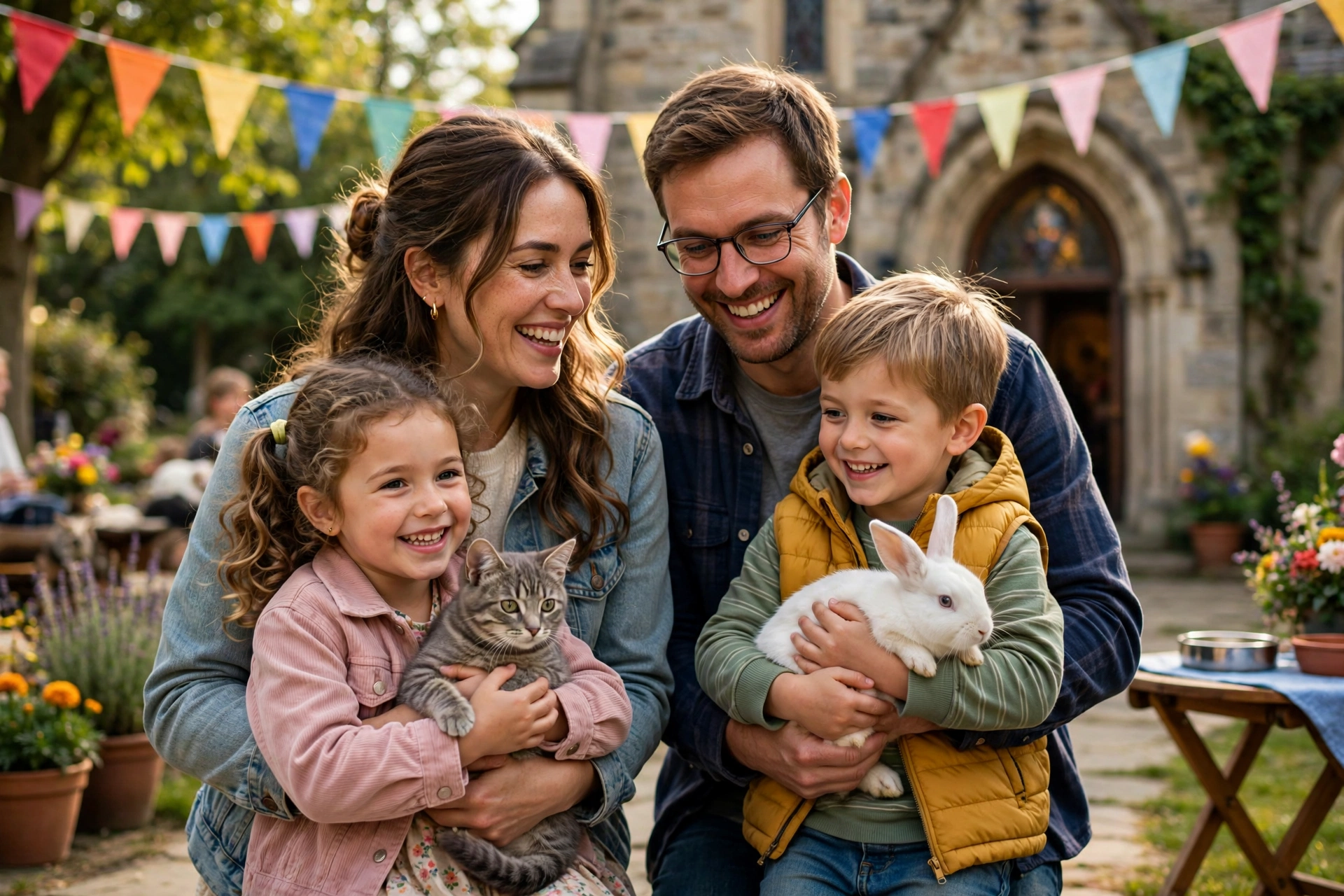
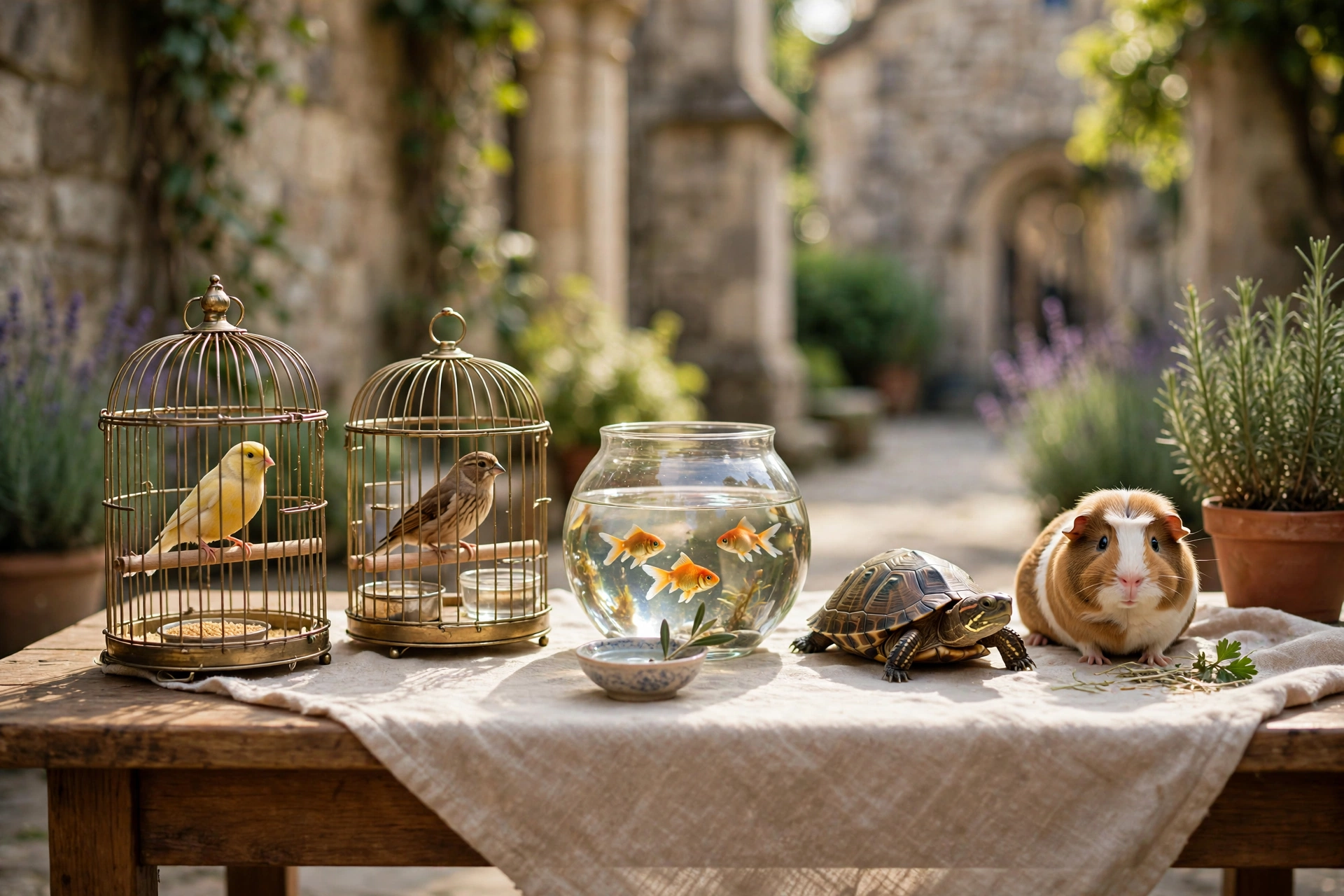
Short answer: just about any animal you can bring safely. Dogs and cats make up the majority, but blessing ceremonies regularly welcome a wonderful variety of creatures.
| Very common | Often seen | Welcome with care |
|---|---|---|
| Dogs (on leash) | Birds in cages | Horses and ponies |
| Cats (in carriers) | Rabbits and guinea pigs | Goats and chickens |
| Fish in bowls | Reptiles (in secure tanks) | |
| Turtles | Farm animals |
A few practical rules most churches ask for: dogs on short leashes, cats and small pets in carriers, and aggressive or highly anxious animals kept at a comfortable distance. If your pet cannot handle crowds, many priests will gladly bless them from your car at the edge of the gathering — just ask. And if your animal has passed away, some services include a moment of remembrance for beloved pets who are gone.
The Traditional Blessing of the Animals Prayer
There are several versions of the prayer used at these ceremonies. Here is a widely used traditional form, adapted from the blessing attributed to St. Francis:
“Blessed are you, Lord God, maker of all living creatures. You called forth fish in the sea, birds in the air, and animals on the land. You inspired St. Francis to call all of them his brothers and sisters. We ask you to bless this animal. By the power of your love, enable it to live according to your plan. May we always praise you for all your beauty in creation. Blessed are you, Lord our God, in all your creatures! Amen.”
Many families also like to say a short blessing prayer at home with their pets — a quiet moment of gratitude for the companionship animals bring into our lives.
5 Tips for Taking Your Pet to the Blessing
- Arrive early. Popular parishes draw big crowds; getting there 15–20 minutes early means a calmer spot in line and less waiting for your pet.
- Bring the right gear. A sturdy leash (not a retractable one), a secure carrier for cats and small animals, water, and a few treats go a long way.
- Exercise your dog beforehand. A good walk before the ceremony burns off energy and makes the wait in line much easier for everyone.
- Respect other animals. Keep a little distance between pets, especially around cats, birds, and nervous dogs. Not every animal is a social butterfly.
- Have a backup plan. If your pet gets overwhelmed, there is no shame in stepping aside. You can still receive the blessing at the edge of the gathering — grace is not limited to the front of the line.
Frequently Asked Questions
Is the Blessing of the Animals only for Catholics?
No. While it began as a Catholic tradition honoring St. Francis, Episcopal, Lutheran, Methodist, and many nondenominational and interfaith communities now hold their own blessings. All are welcome.
Do animals need to be baptized or be a certain age?
Not at all. There are no requirements — puppies, kittens, senior pets, and every age in between can be blessed. The ceremony is a prayer of gratitude and protection, not a sacrament.
Can I bless my own pet at home?
Absolutely. Many families say a simple prayer over their pets at home, especially on October 4. You can use the traditional prayer above or speak from the heart in your own words. Scripture reminds us that creation itself is a gift — as explored in our collection of blessing Bible verses.
Is there a cost to attend?
The blessing itself is free. Parishes sometimes accept voluntary donations, often directed to local animal shelters — a fitting way to honor St. Francis.
What if my pet is aggressive or gets anxious in crowds?
Talk to the organizers when you arrive. Most are happy to bless anxious or reactive animals separately, from a distance or even at your car, so every pet can be included safely.
Can I bring a pet that has died for a remembrance blessing?
Many services include a brief remembrance for deceased pets. Bringing a photo or simply holding your pet’s memory in prayer during the service is a beautiful and common practice.
The Blessing of the Animals is, at its heart, a celebration of gratitude — for wagging tails that greet us at the door, for purring companions on quiet evenings, and for every creature that reminds us of the Creator’s generosity. Whether you attend a grand parish ceremony or whisper a prayer over your sleeping cat at home, October 4 is a wonderful day to pause and give thanks for the animals who bless our lives every single day. For more words of gratitude to share, browse our collection of blessing quotes.